Northern-Territory

All journal entries

Three Lights on Uluru

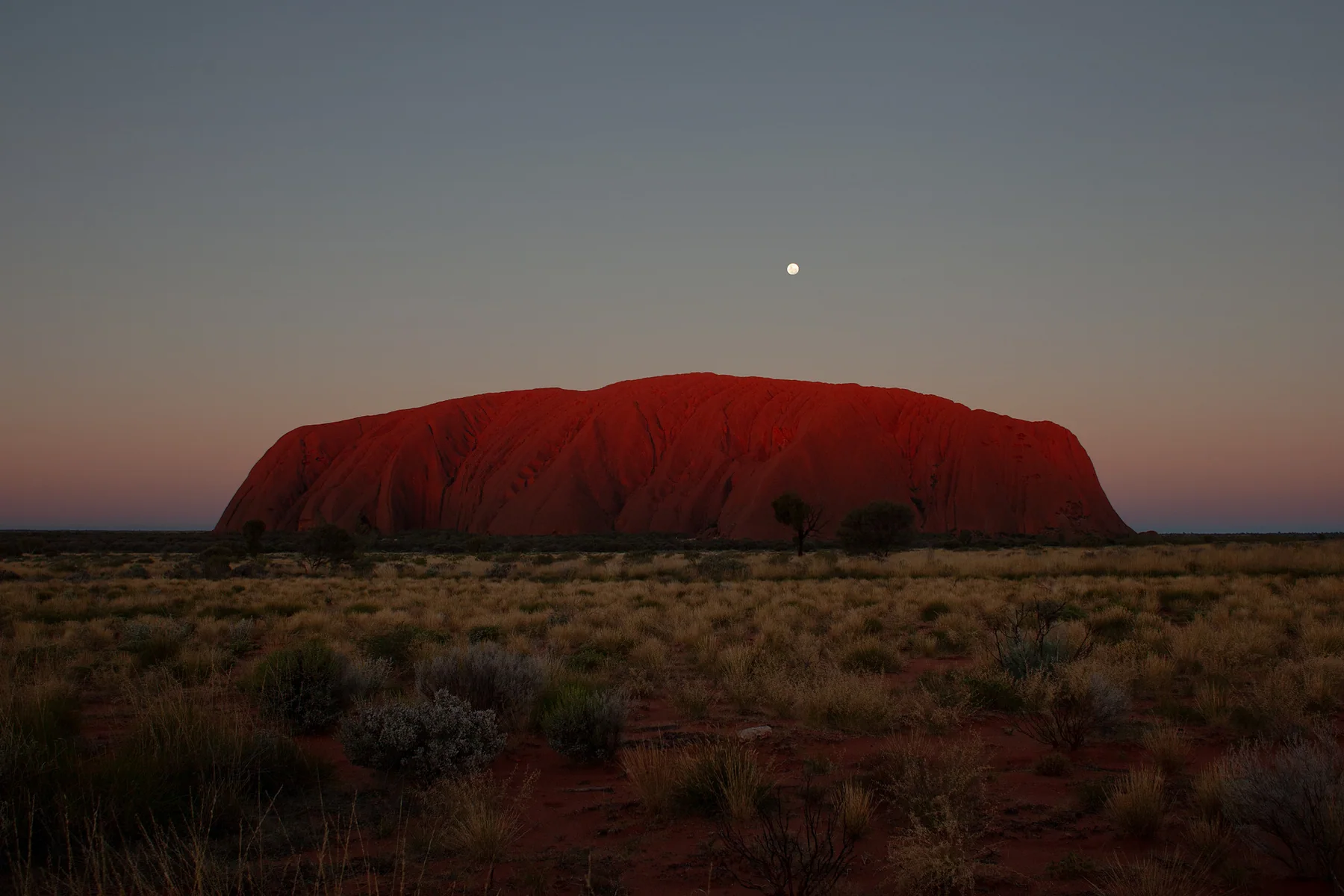
Uluru was the final stop of our Northern Territory road trip. Seen in three different lights, it revealed the scale, beauty and significance of this remarkable place.

Uluru was the final stop of our Northern Territory road trip. We arrived in the late afternoon and headed straight out to see it for the first time. After days crossing the Red Centre, the scale of the rock was astonishing.
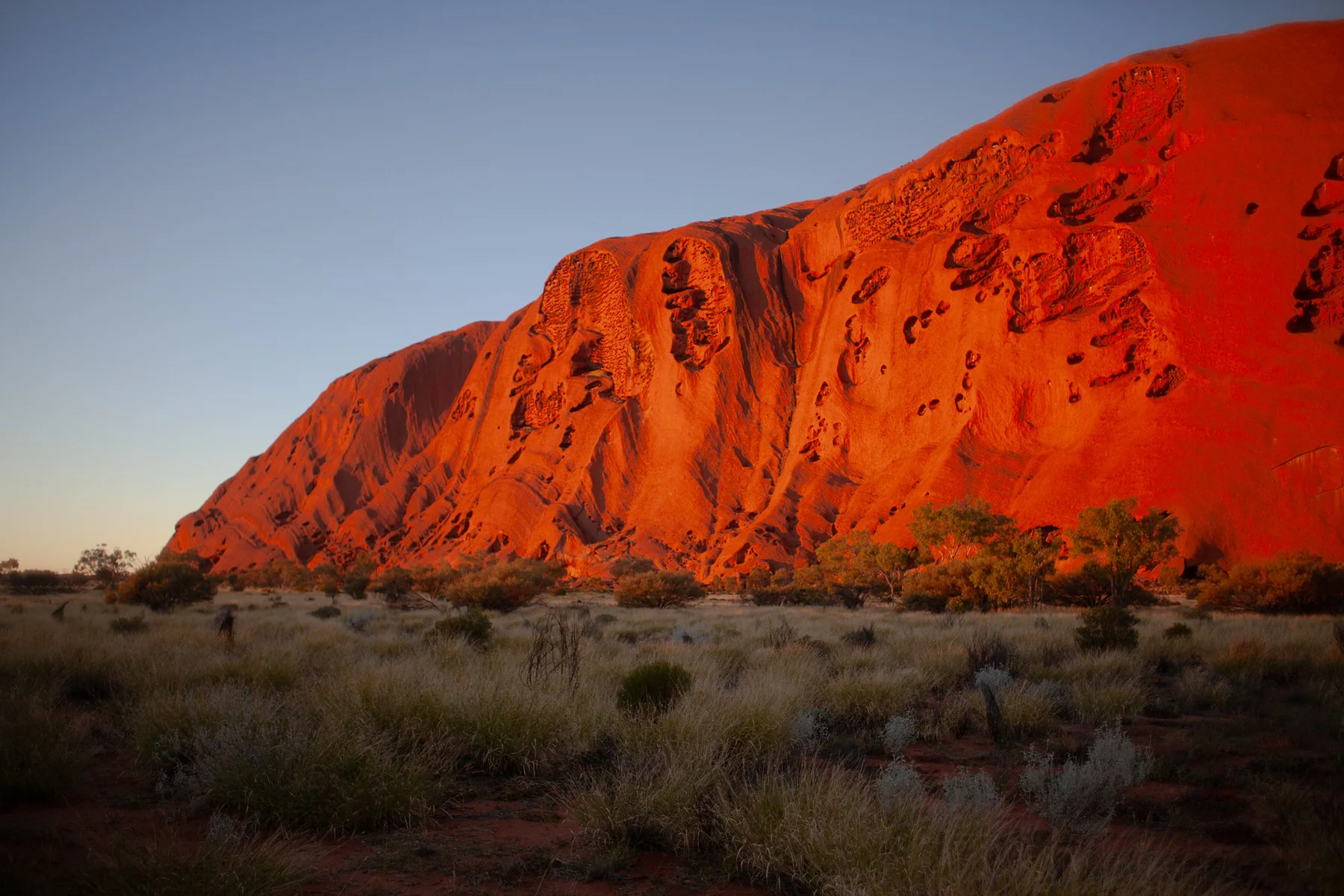
We returned before dawn the following morning.

As the first light reached the rock, new textures and colours emerged. Seen from a distance, Uluru appears almost simple. Yet the longer we spent with it, the more difficult it became to think of it as just a geological formation.

Uluru is a place of profound significance to the Aṉangu people, whose connection to this country stretches back countless generations. Standing before it, it was easy to understand why it inspires such respect.
Of all the places I have visited, Uluru reminded me most of the Taj Mahal. Not because they resemble one another, but because both inspire a similar feeling of awe. One is a masterpiece created by people. The other was shaped by nature over immense spans of time.

Yet both feel larger than their physical form. They are places where beauty and meaning seem inseparable.

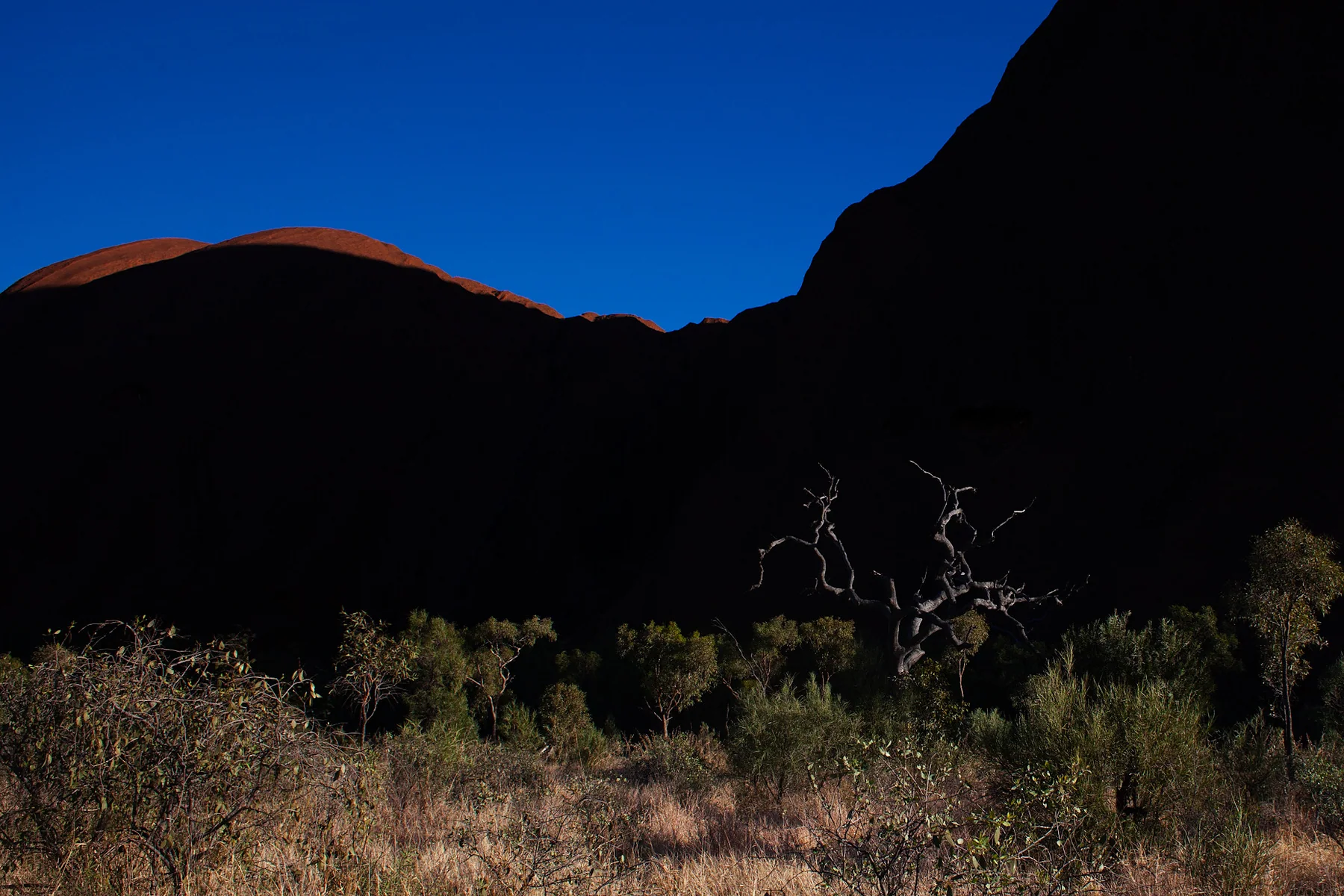
Seeing Uluru in different light revealed different colours, textures and moods, but none of those changes altered the feeling of standing before it. Some landscapes are impressive. A few seem to carry a presence that is difficult to explain. Uluru was one of them.
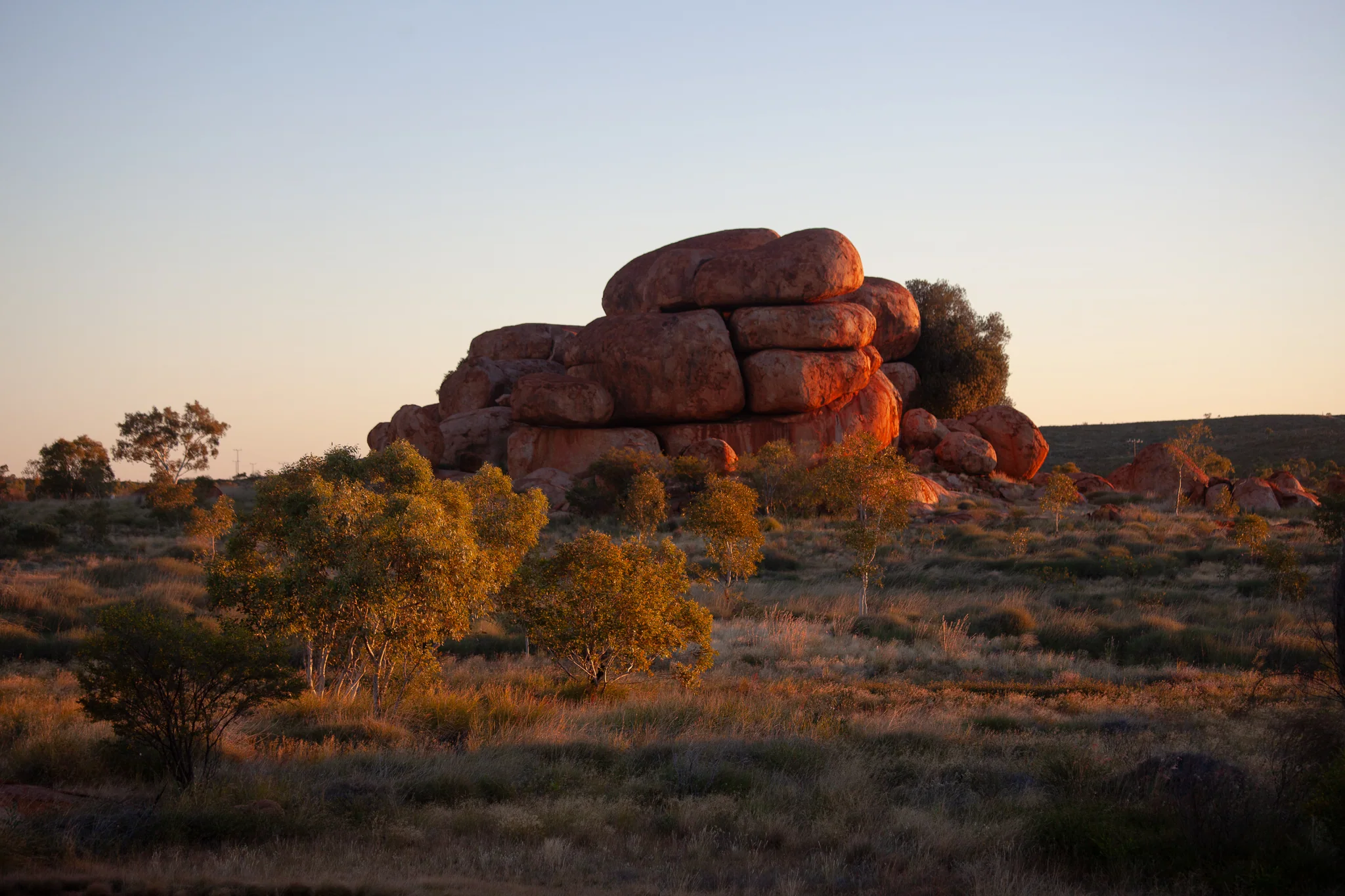
Karlu Karlu: More Than a Balancing Rock

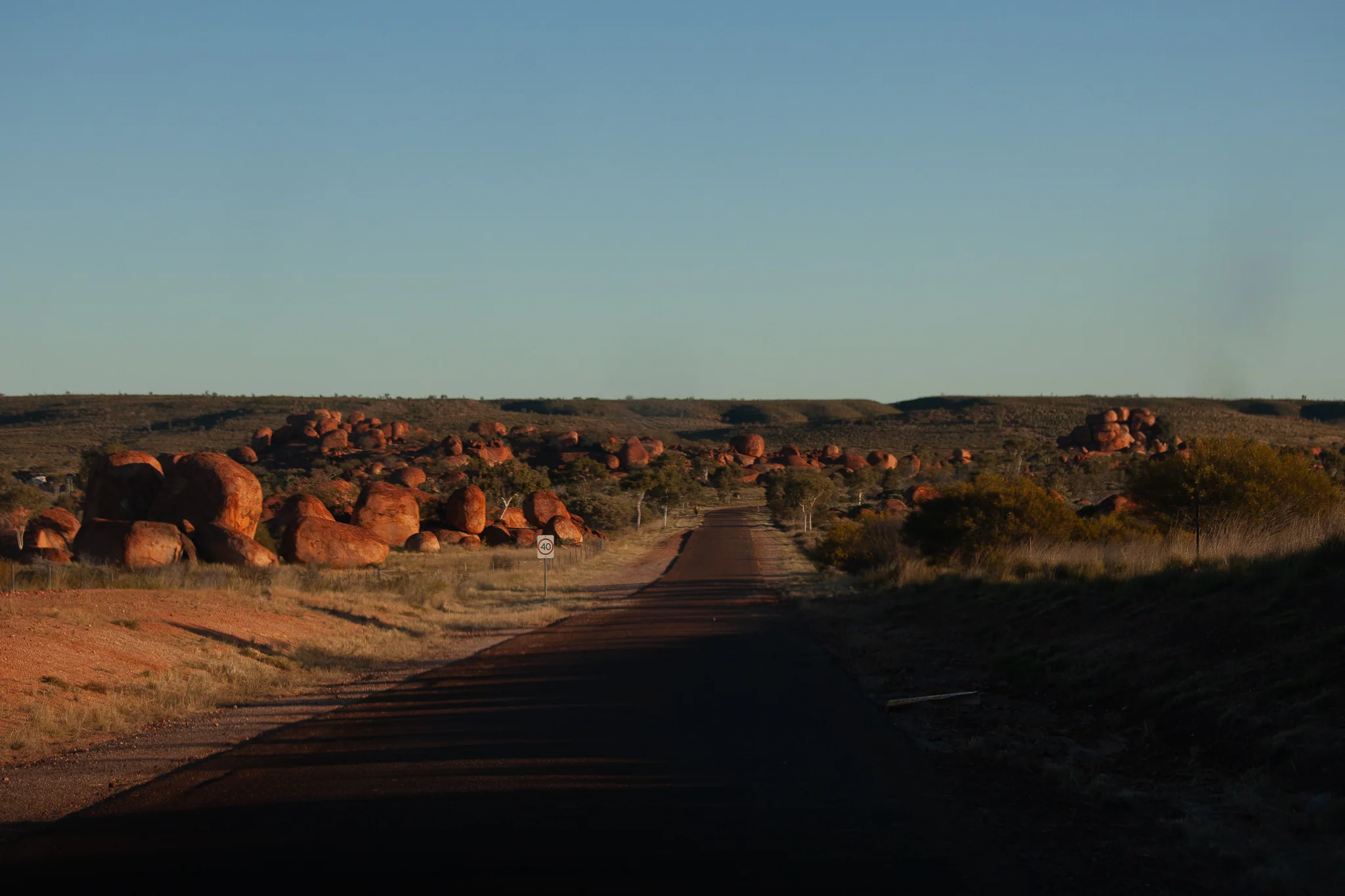
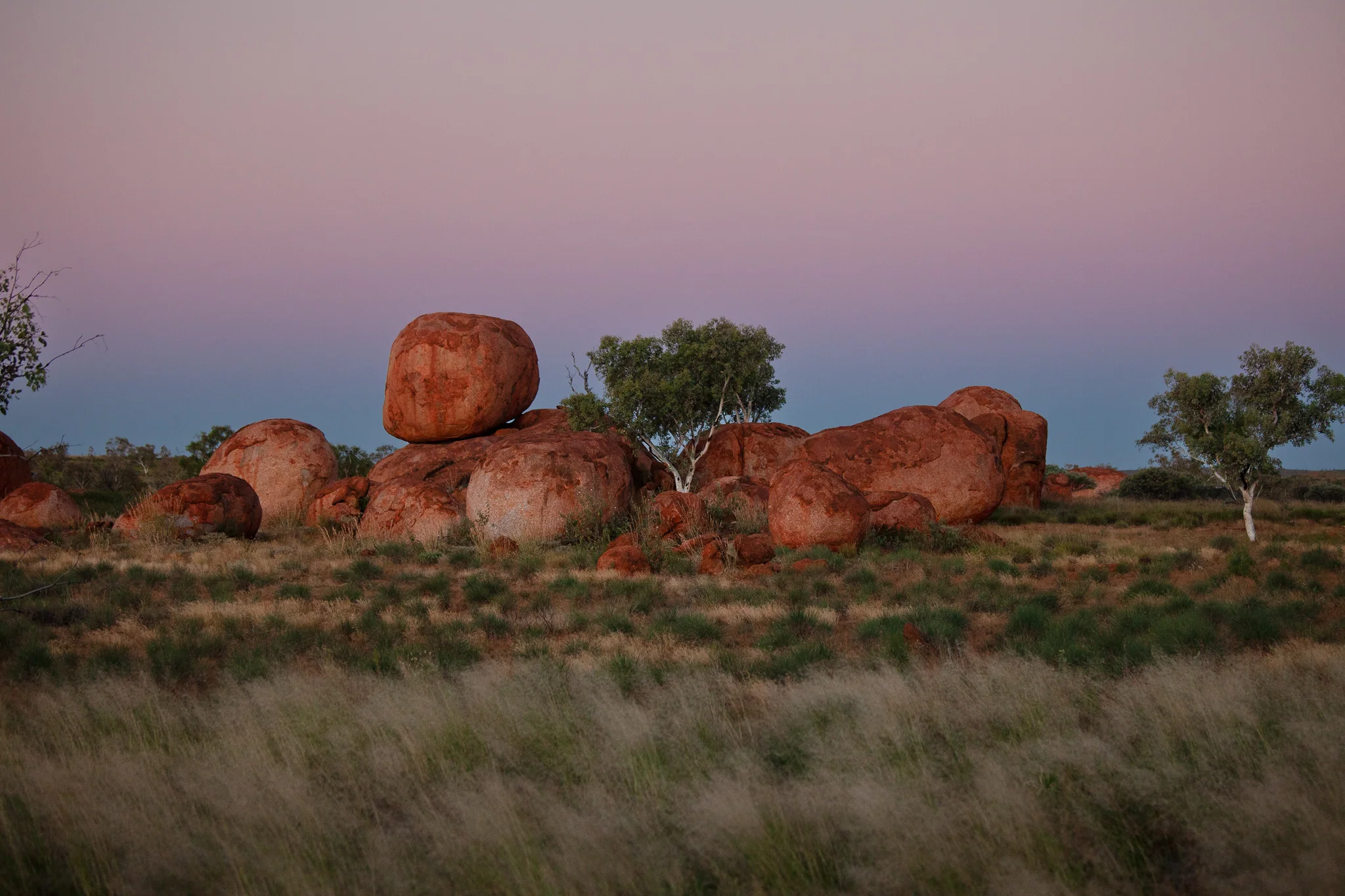
Karlu Karlu, also known as Devils Marbles, is one of the Northern Territory’s most recognisable landscapes. These enormous granite boulders are scattered across the plains south of Tennant Creek, creating a landscape unlike anywhere else in Australia.

The balancing rocks are what most visitors come to see, but the real surprise is how extensive the formations are. Boulders appear across the landscape in every direction, making Karlu Karlu feel much larger than the photographs usually suggest.

Karlu Karlu is an important cultural site for the Warumungu, Kaytetye, Alyawarra and Warlpiri peoples. Many of the formations are connected to Dreaming stories and continue to hold significance today.

For many Australians, Karlu Karlu has also become one of the defining images of the outback. Generations of travellers have stopped here while crossing the continent, making the balancing rocks a symbol of the vast distances and unique landscapes of the Red Centre.

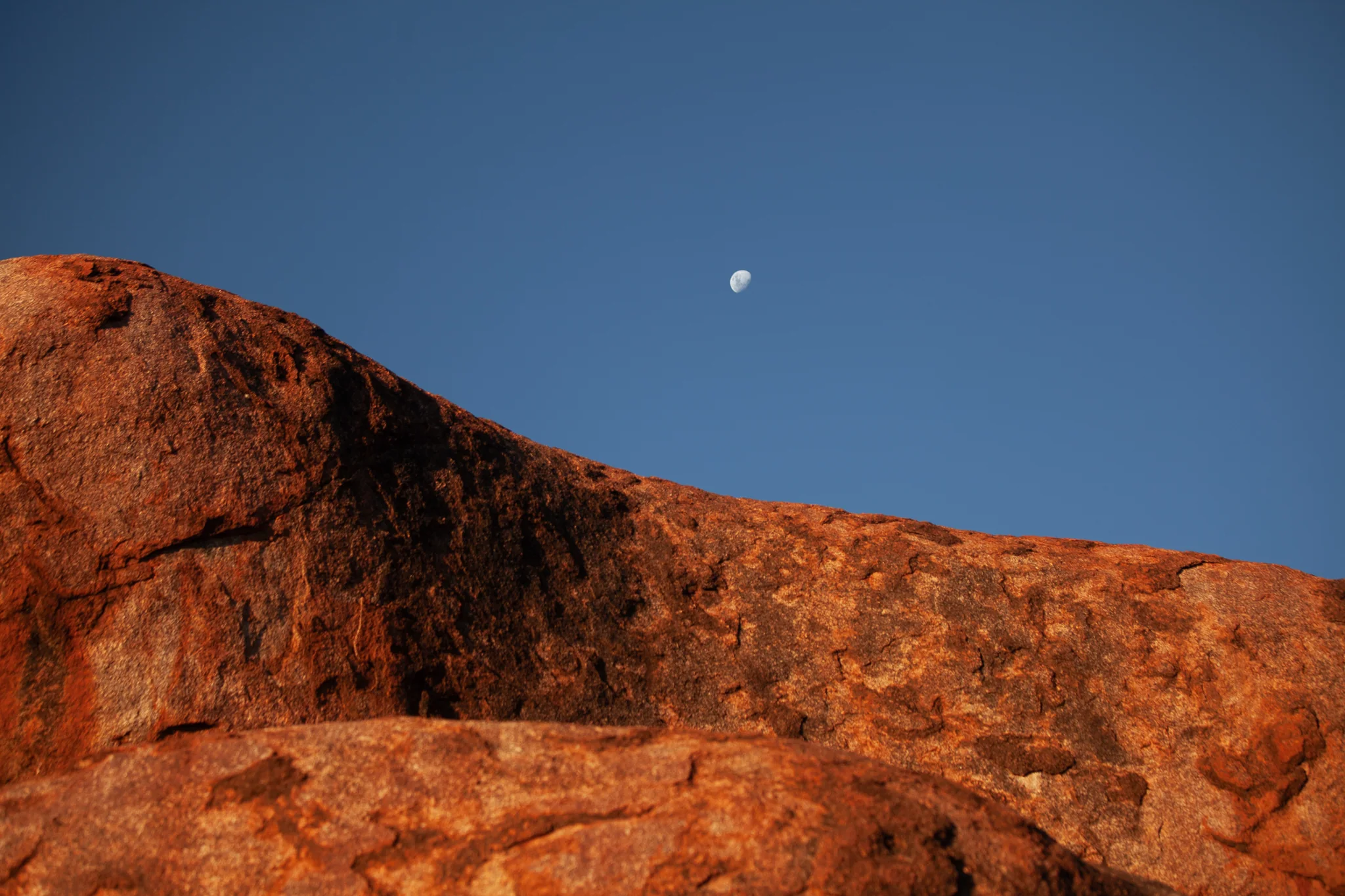
The granite formations themselves were shaped over millions of years as weathering gradually sculpted the rounded boulders seen today.

By late afternoon, the colours of the rocks change with the light, while the surrounding plains seem to stretch endlessly towards the horizon.

It is a place that is easy to photograph, but much harder to fully capture. The scale of the landscape, the distance between formations and the feeling of the outback are things that only really become apparent when standing among them.

Bitter Springs

By the time we reached Bitter Springs, the crowds had gone.

Dusk was approaching and the last swimmers had already left. The springs had only recently reopened, yet the place felt strangely empty.

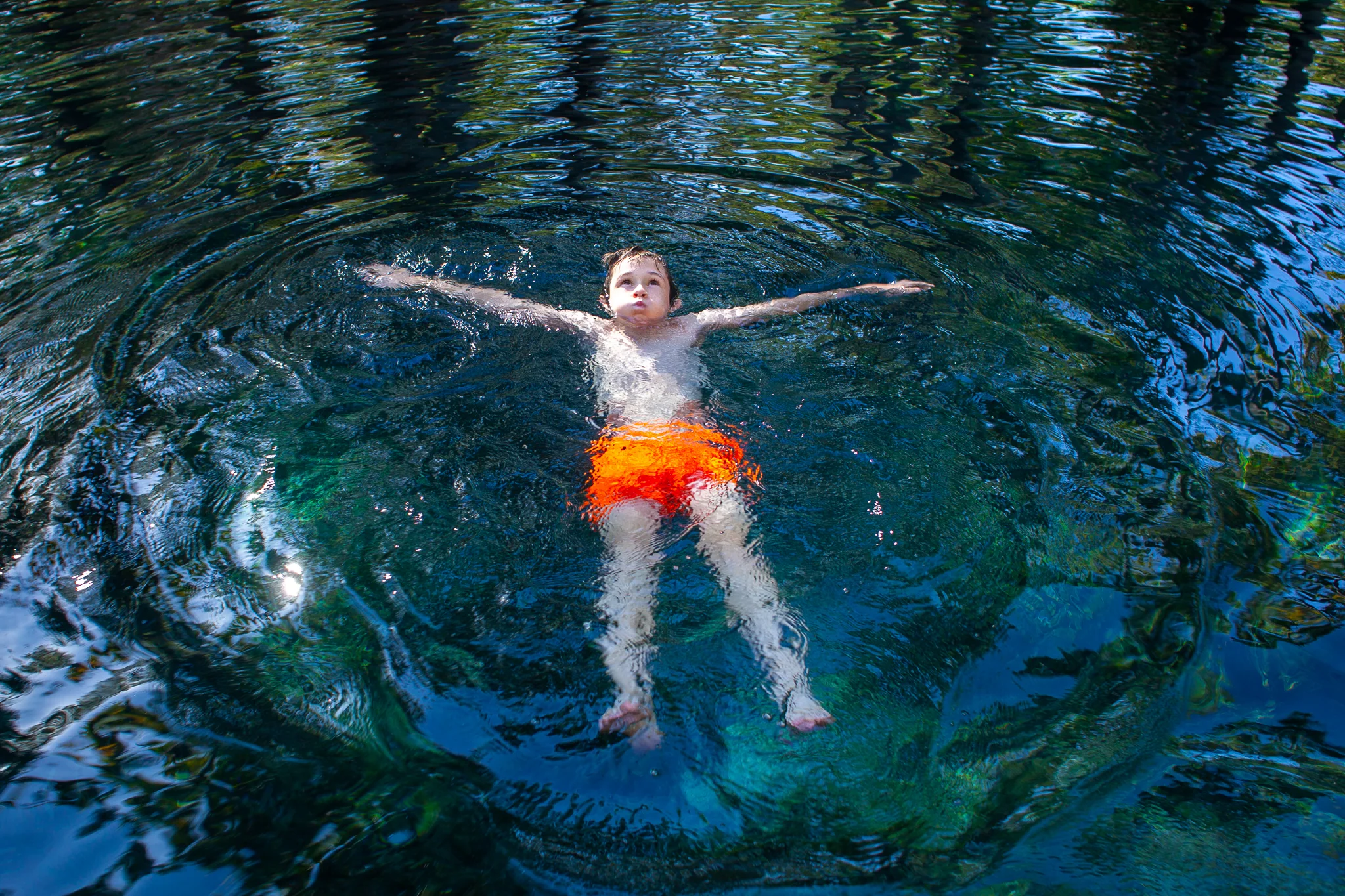
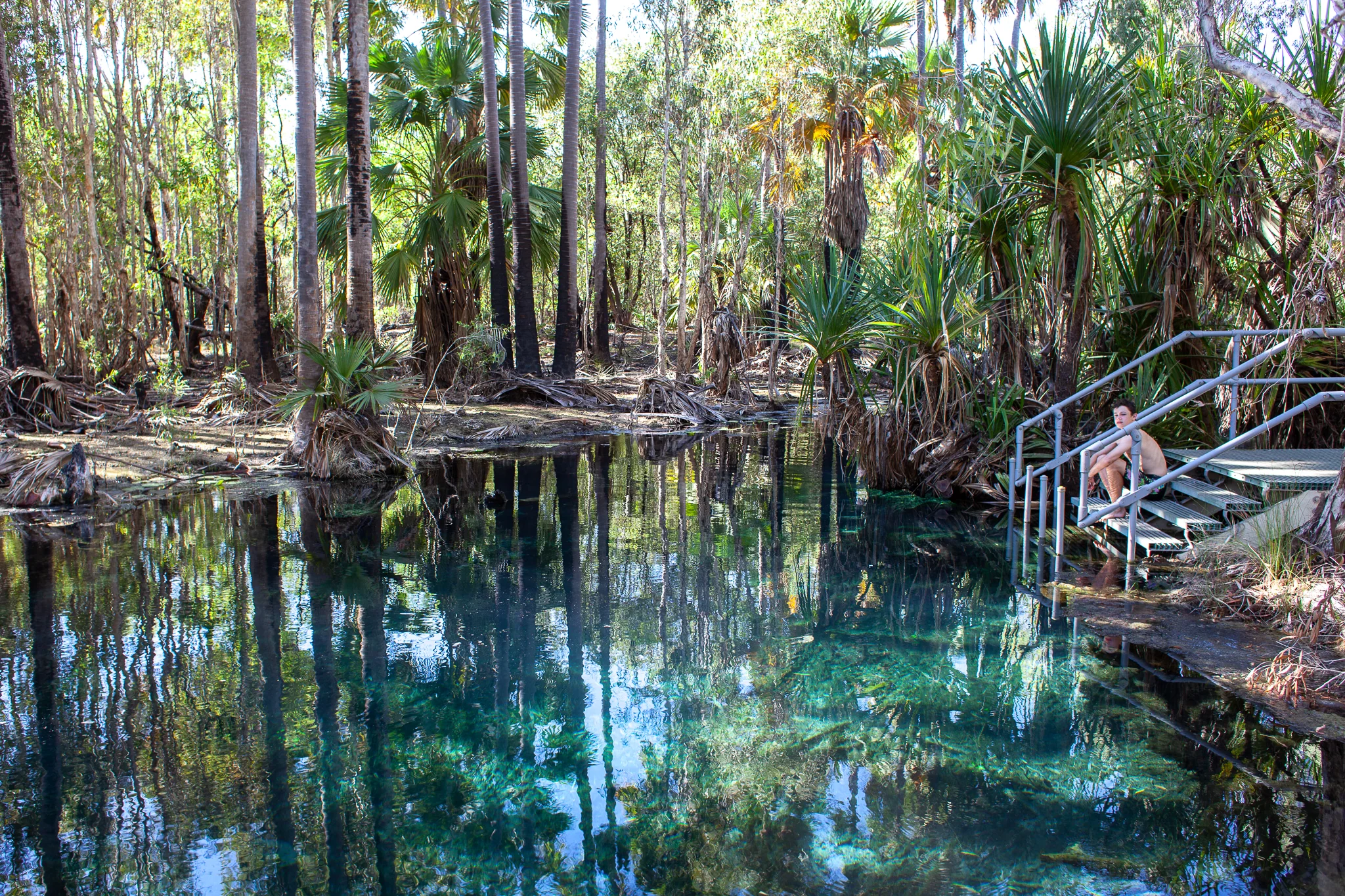
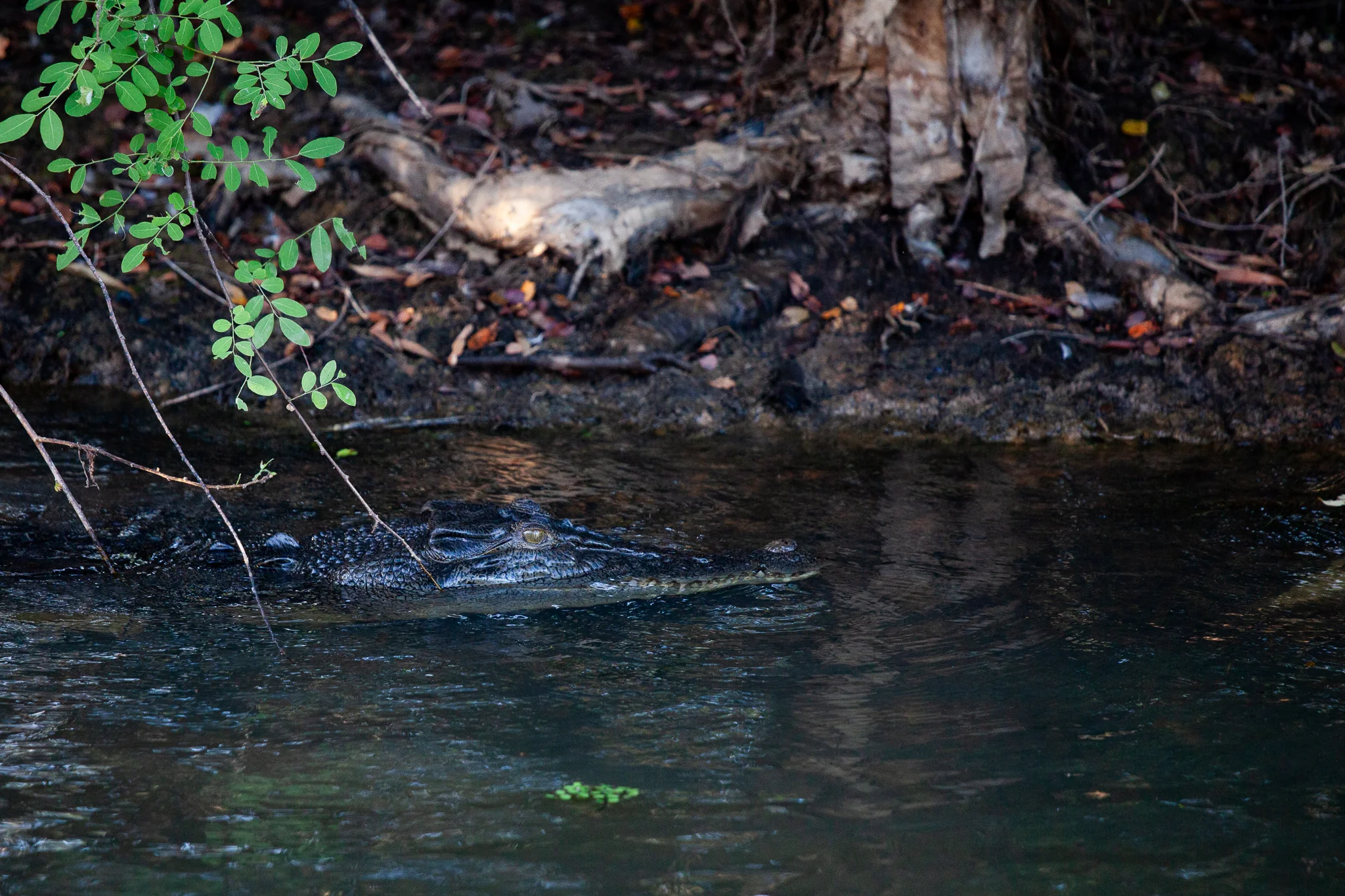
Warm water rises from deep underground before winding through the paperbarks on Mangarrayi Country. The swimming area is carefully managed, with signs marking where visitors can go and where they cannot. Beyond those points lies crocodile country.

In the water, however, those boundaries felt distant.

The creek carried us slowly beneath the trees, through clear water that reflected the fading light. Apart from the occasional splash, there was little sound. We drifted downstream, walked back, and drifted again.

For a place with warning signs at either end, Bitter Springs felt remarkably peaceful.

Warm water has flowed through this landscape for thousands of years. The boardwalks, designated swimming area and warning signs all feel temporary by comparison.

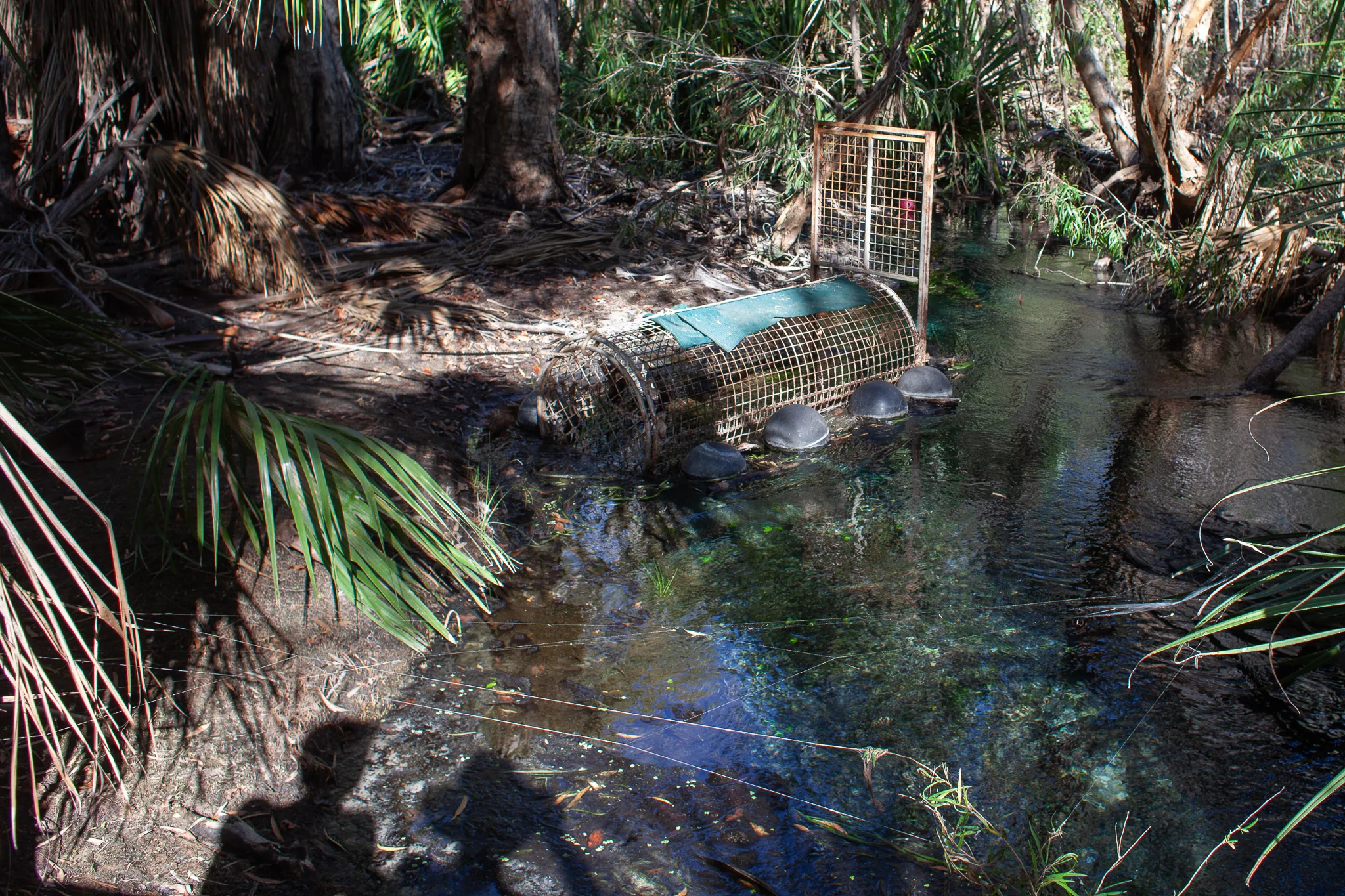
Later, we came across a saltwater crocodile trap hidden beside the creek.

A reminder that this is not a natural pool set aside from the landscape, but part of a living system where people and wildlife are constantly negotiating the same space.

The following week, the springs closed again following renewed crocodile activity.

Looking back, the trap seemed less surprising than the swim itself.

An Evening at Ubirr

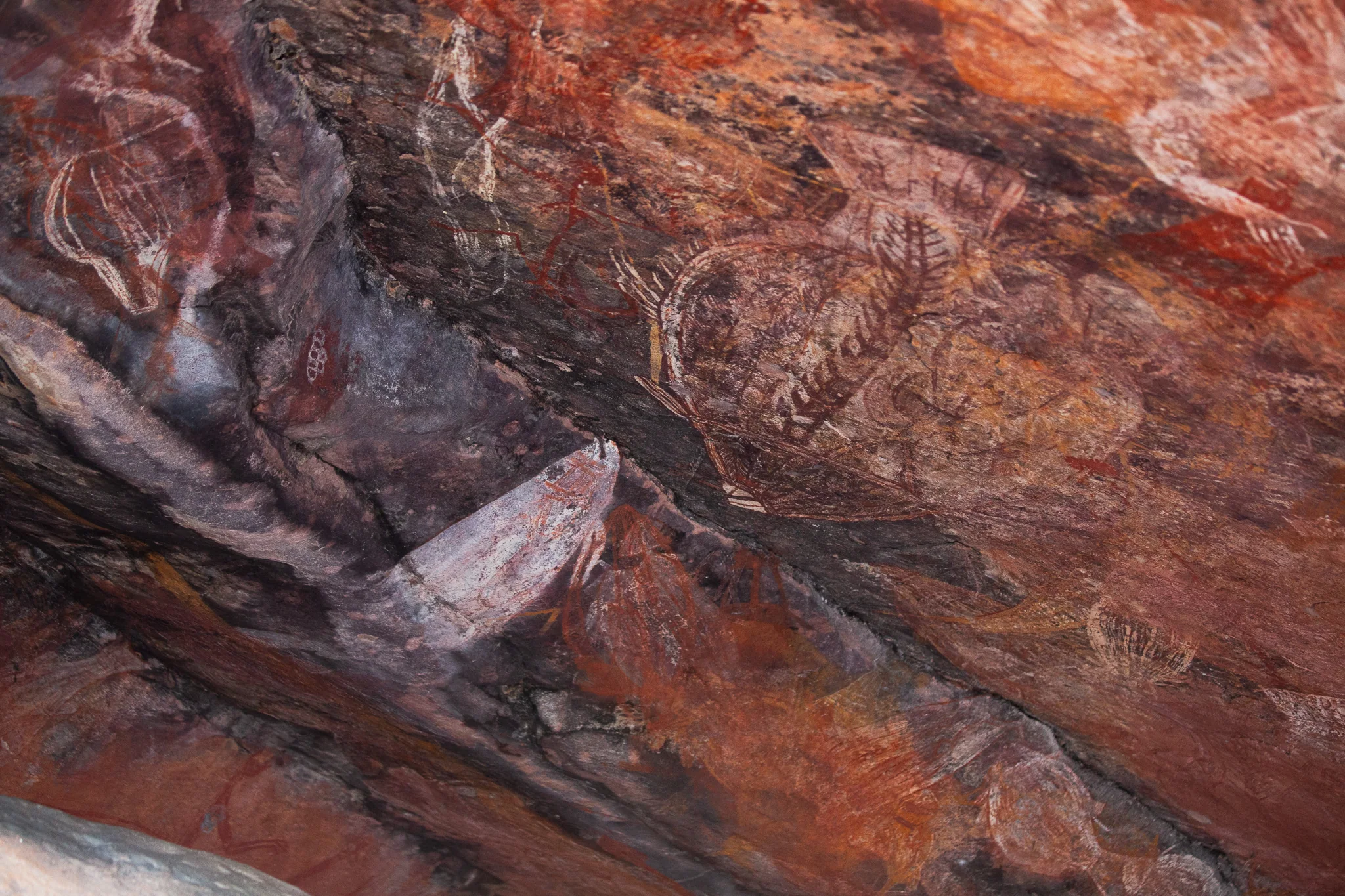
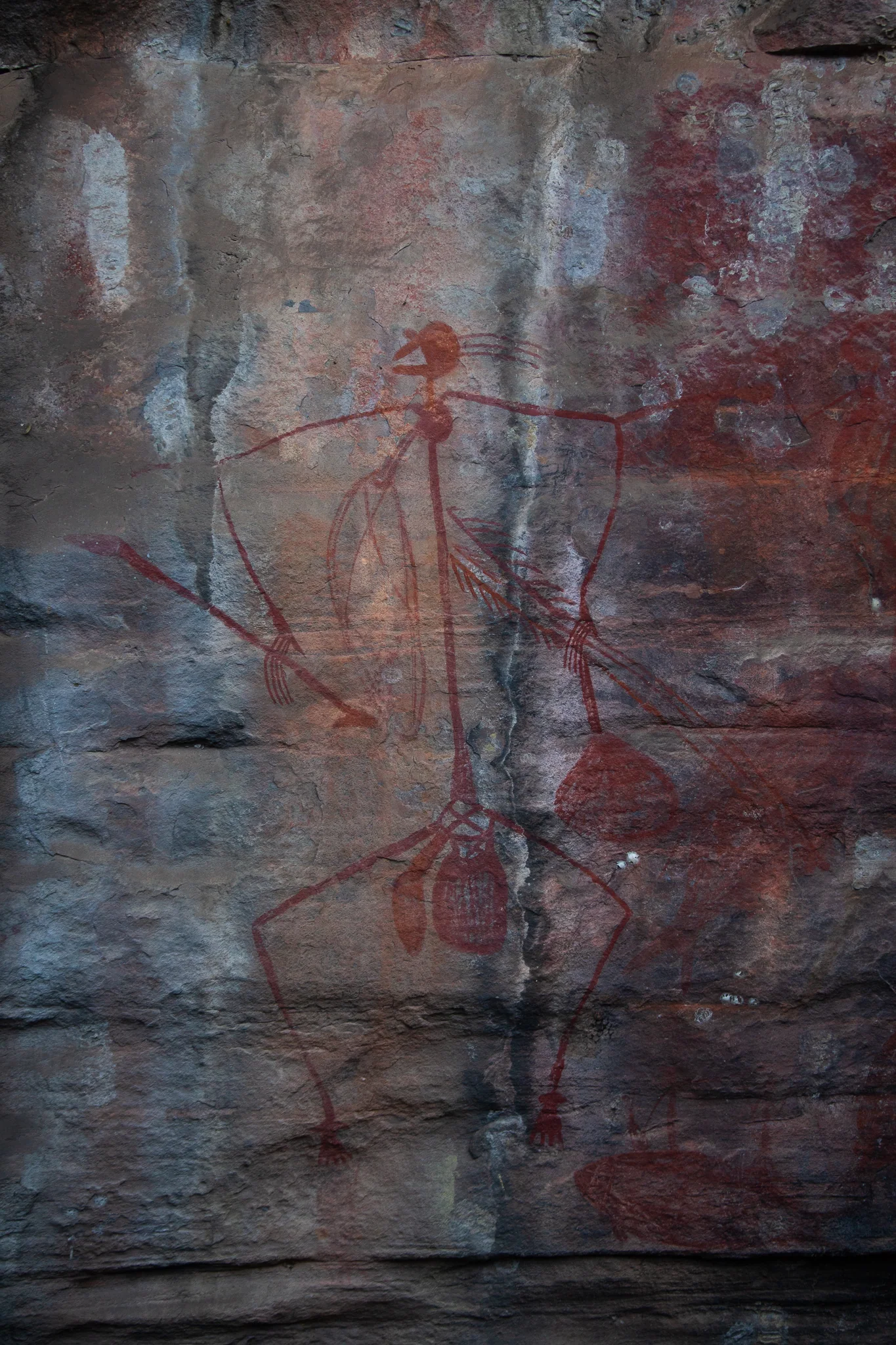
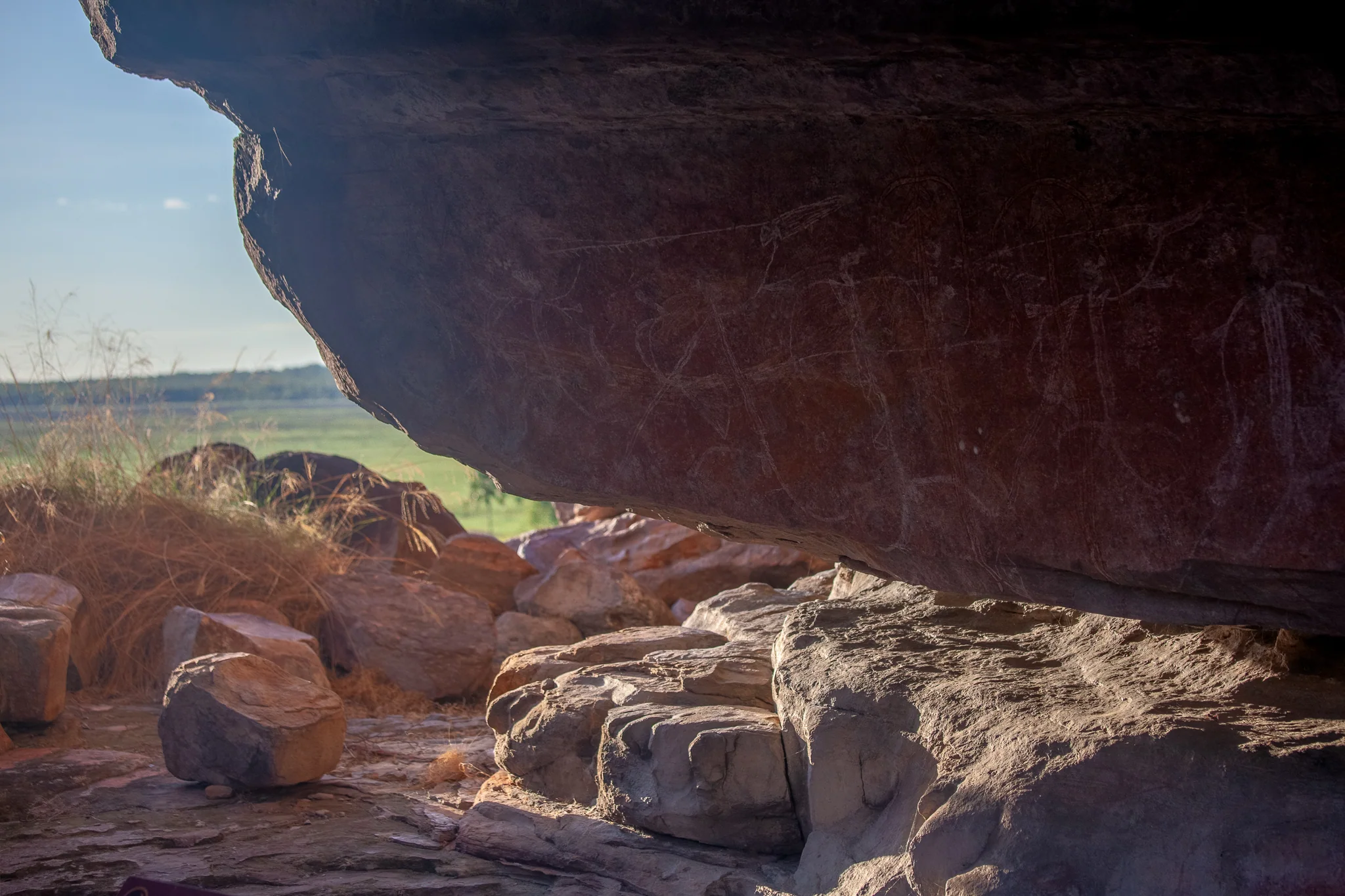
Ubirr is home to some of Australia’s most remarkable Aboriginal rock art. The paintings record stories of people, animals and creation ancestors, preserving traditions that have been passed down for thousands of years.

Many of the paintings are found within natural rock shelters overlooking the surrounding country, linking the stories on the walls to the landscape beyond.

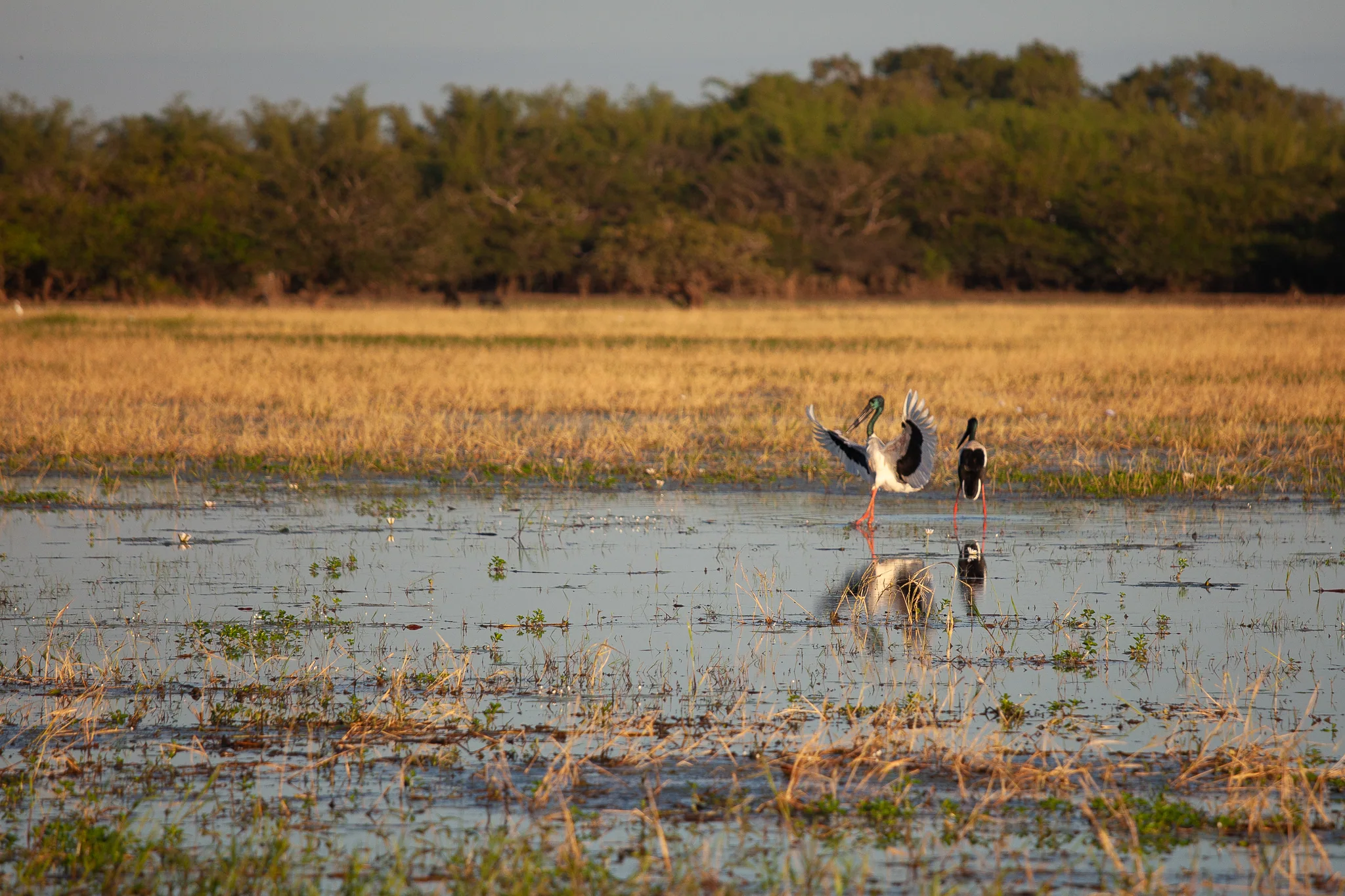
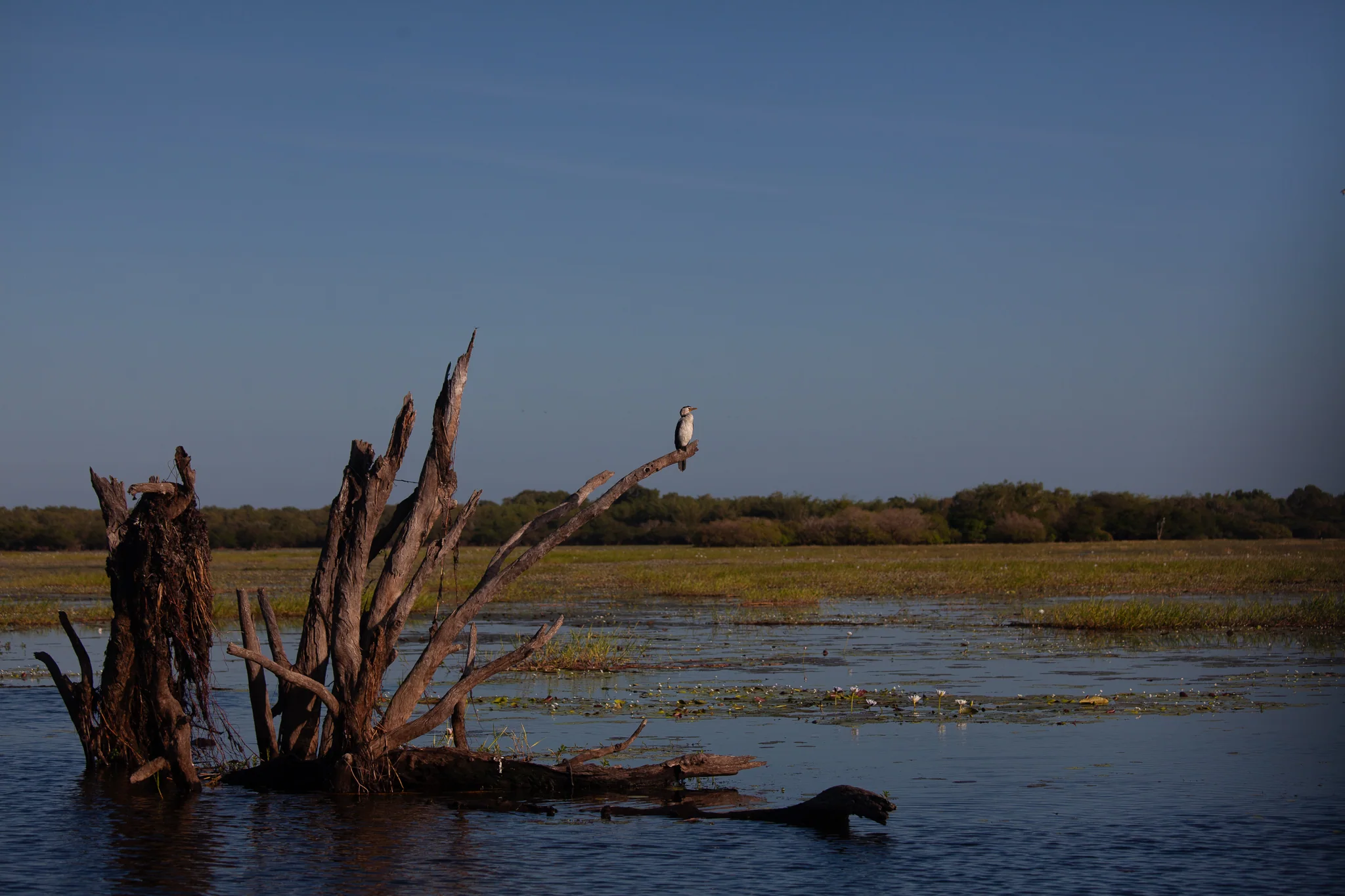
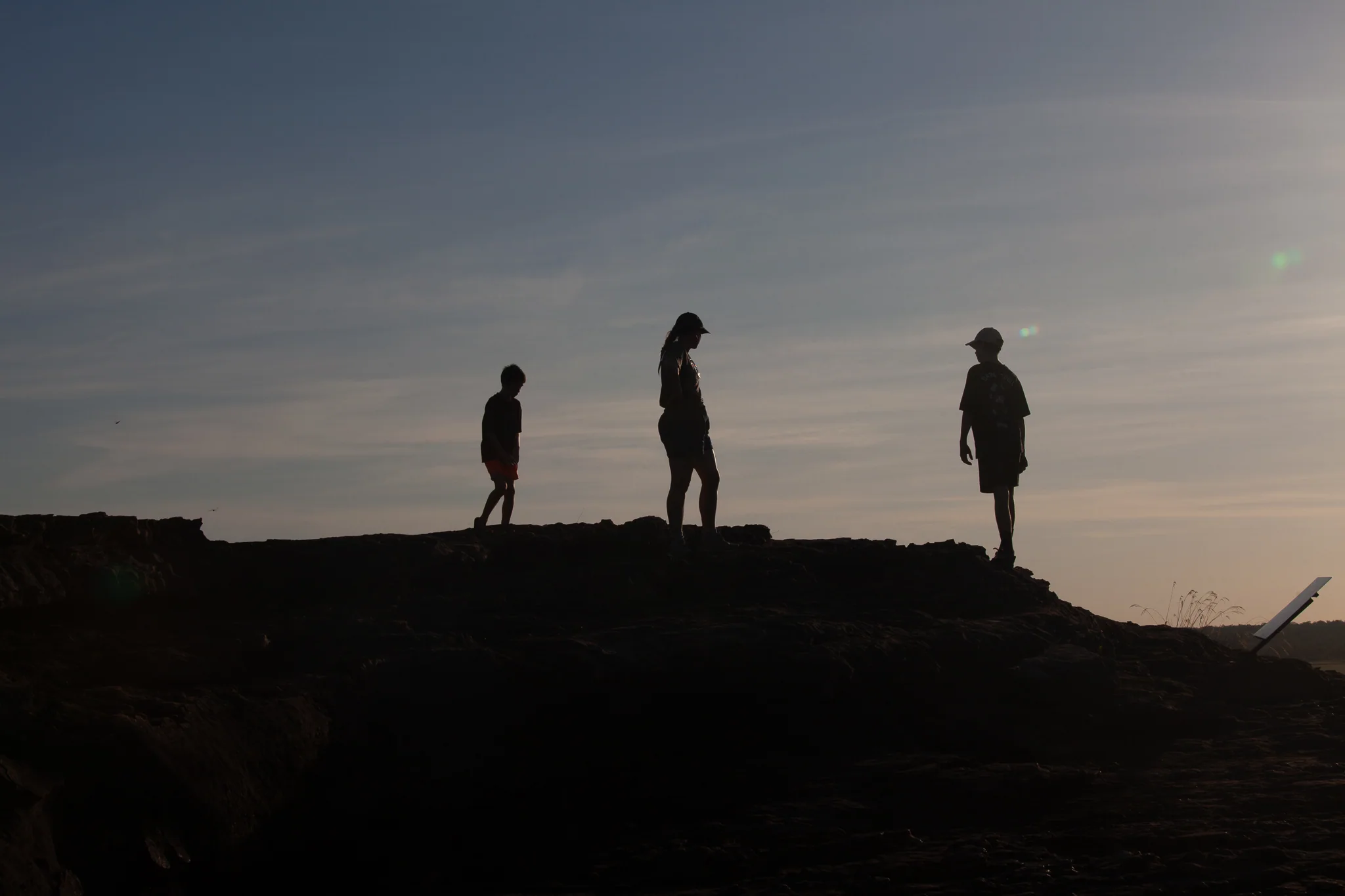
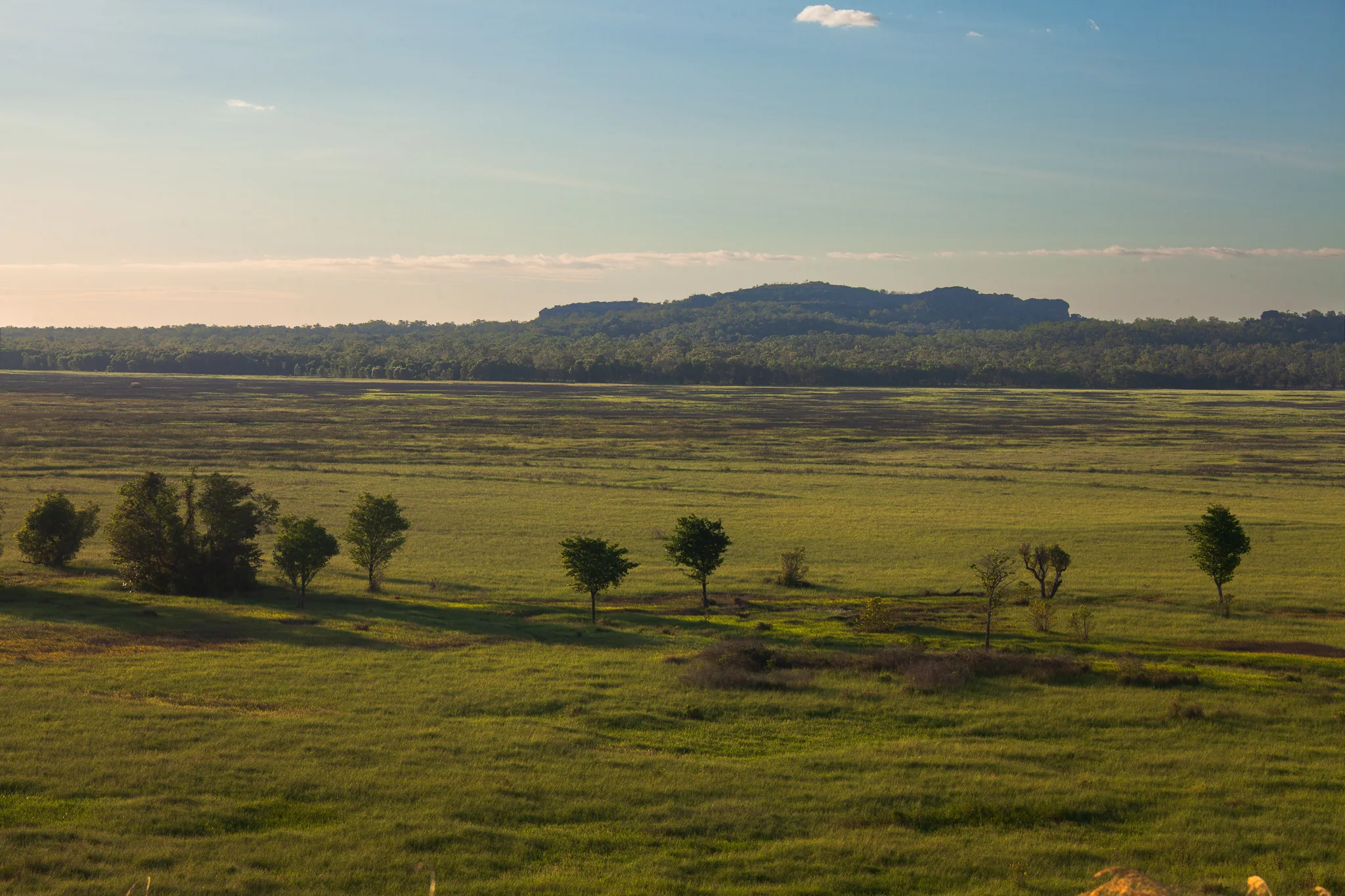
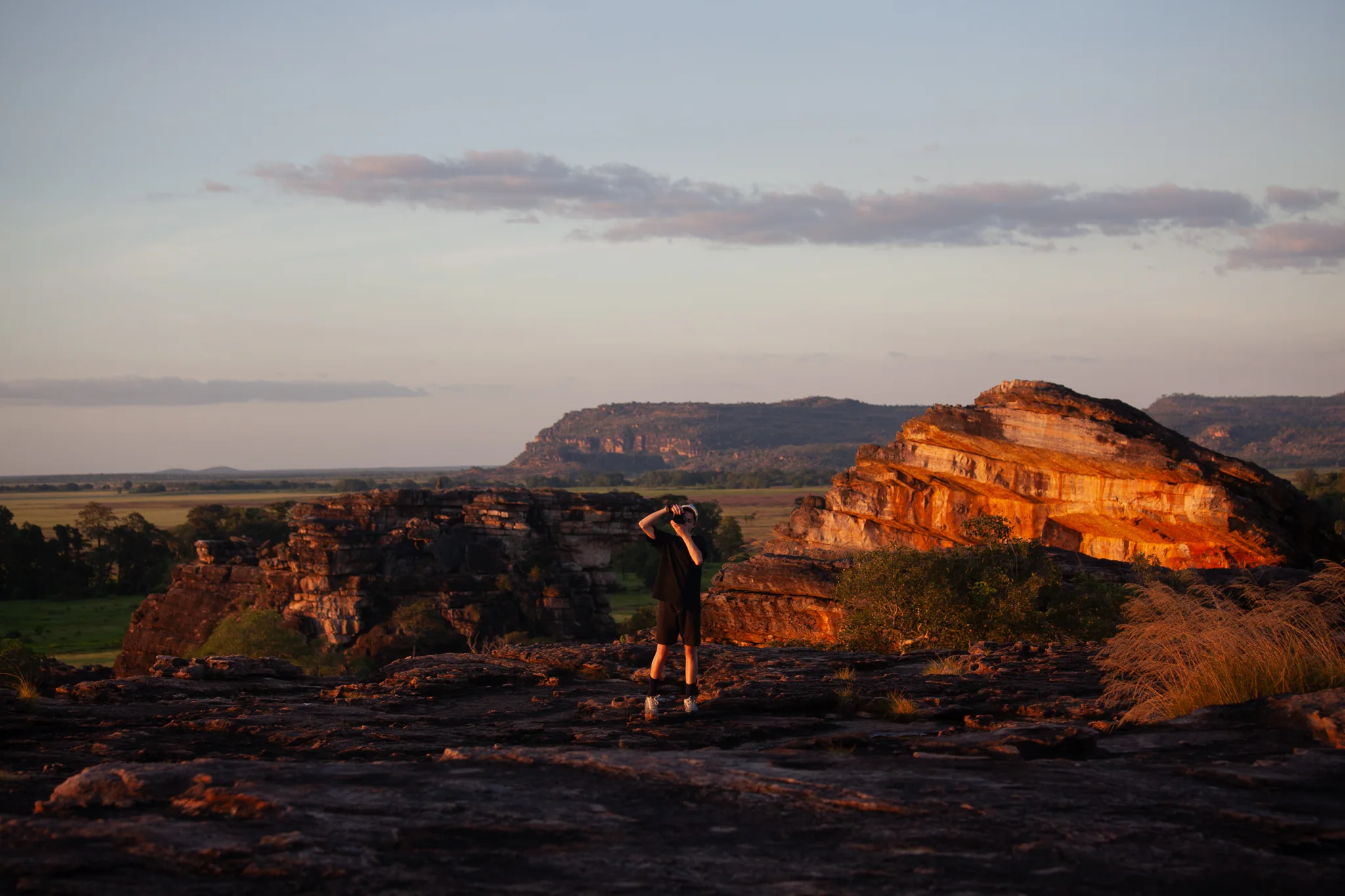
From the lookout, the Nadab floodplain stretches towards the Arnhem Land escarpment. During the wet season much of this country lies underwater, transforming the landscape completely.